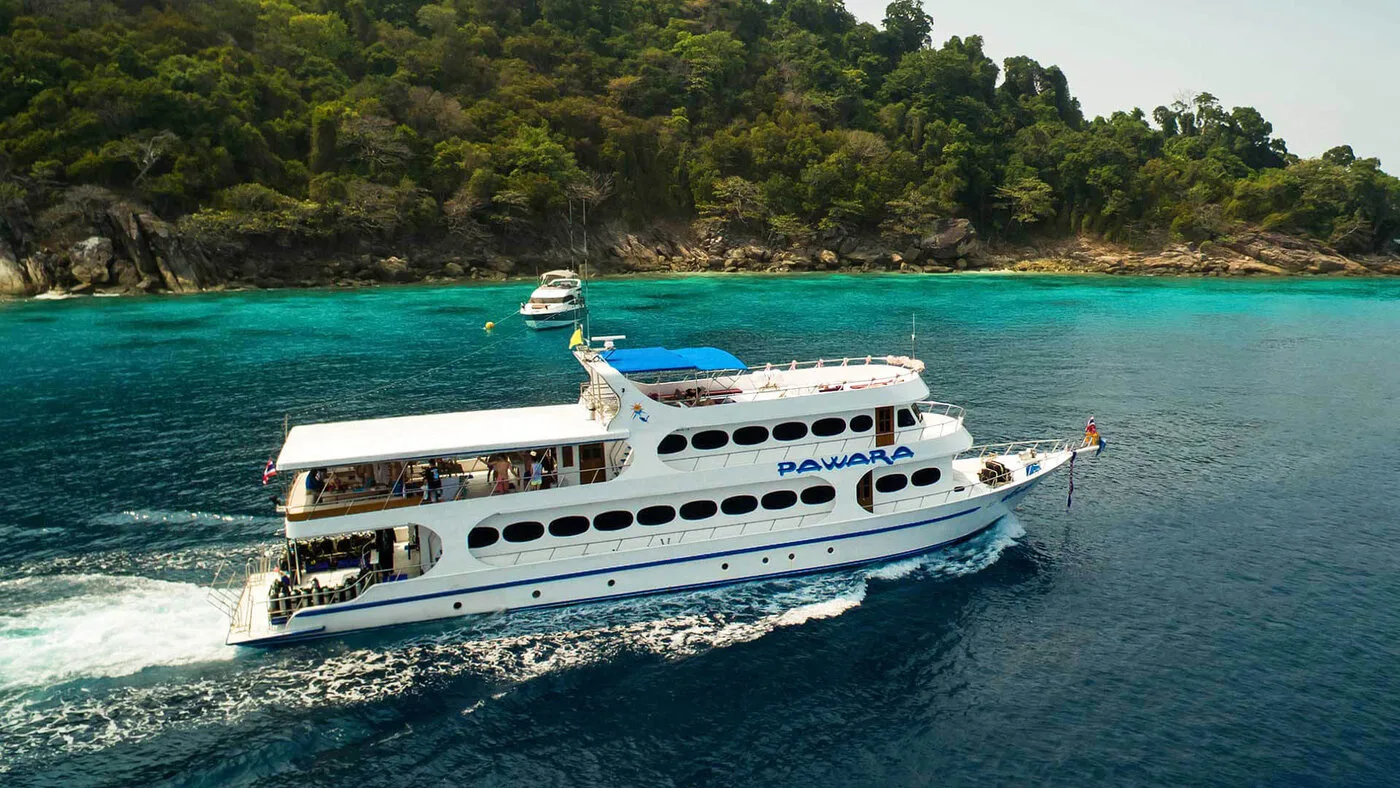
The Similan Islands are the crown jewels of Andaman Sea diving, and timing your trip well is the single biggest thing you can control. The marine national park opens for roughly seven months a year, the visibility swings with the seasons, and the headline encounters — whale sharks and manta rays — cluster into a few weeks. This guide walks you through exactly when the season runs, which months suit which divers, and how the calendar maps onto the region's best dive sites so you can book a liveaboard with confidence.
When does the Similan dive season run?
The Similan Islands sit inside a marine national park that opens to visitors only during the dry, calm northeast-monsoon window — roughly 15 October to 15 May. Outside those dates the park closes entirely to protect the reefs and to keep boats off the water during the rough southwest monsoon, so there is simply no liveaboard access from mid-May through mid-October.
Within the open season, conditions are at their most settled from December through April. Seas are flat, winds are light, and underwater visibility regularly reaches 20–30 metres on the best days. The shoulder weeks at either end — late October into November, and early May — can still be excellent, but you may trade a little visibility or the occasional swell for quieter sites and easier bookings.
Best months for whale sharks and manta rays
If big animals are your priority, aim for February to April. This is the peak window for manta rays at the northern sites such as Koh Bon and Koh Tachai, and the most reliable stretch for whale-shark sightings at Richelieu Rock, the region's signature dive. Plankton blooms that draw these filter feeders are most concentrated in late season, which is exactly why so many divers book their trip around these months.
Sightings are never guaranteed — these are wild animals on the move — but the odds tilt firmly in your favour from February onward. Divers chasing the best chance of a whale shark or a passing manta should build the trip around late season and accept that the trade-off is the warmest, busiest part of the calendar.
The signature dive sites and who they suit
Richelieu Rock is the headline act: a horseshoe-shaped pinnacle in 5–35 m of water, best dived February to April, and rated intermediate to advanced because of the currents that feed its marine life. Koh Bon Pinnacle (18–40 m+) and Koh Tachai Pinnacle (12–45 m) are advanced sites where the mantas and bigger pelagics show up, best January through April and February through April respectively.
Newer and less confident divers are far from left out. Anita's Reef (10–35 m) is a relaxed, beginner-friendly site, while West of Eden (5–30 m) and the Boonsung Wreck (13–20 m) suit beginner-to-intermediate divers and run well from November or December into April. Elephant Head Rock and Christmas Point (both 5–40 m) add dramatic swim-throughs for intermediate-to-advanced divers across the December–April core season.
Further north, the Surin area and the Mergui Archipelago in Burmese waters open up sites like Black Rock and Western Rocky, best from February into May. These are advanced, remote dives reached on longer liveaboard itineraries — worth knowing about when you compare boats and routes.
Choosing a liveaboard for the season
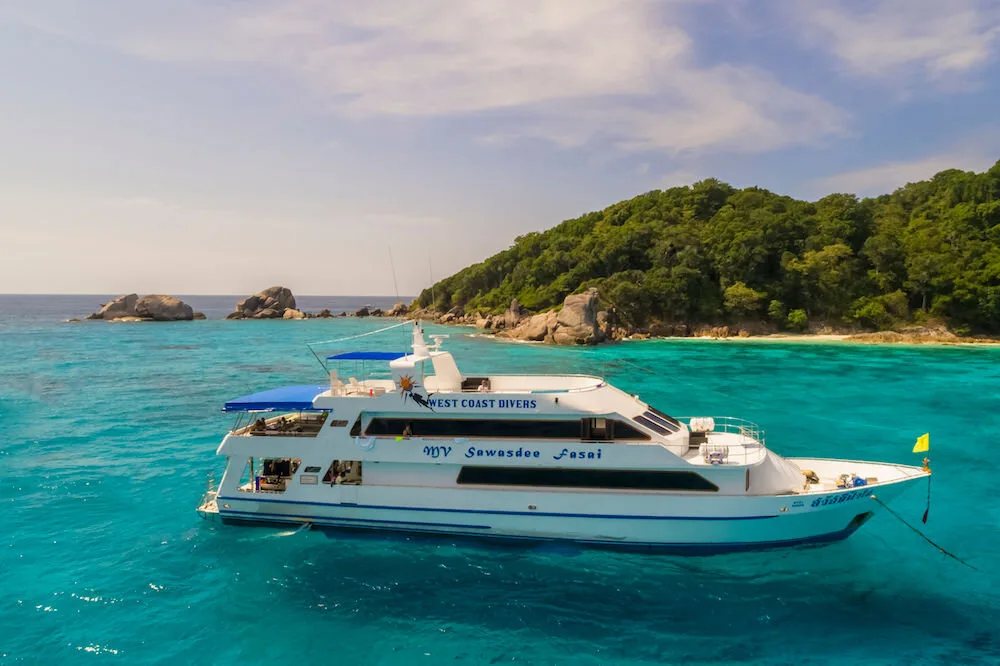
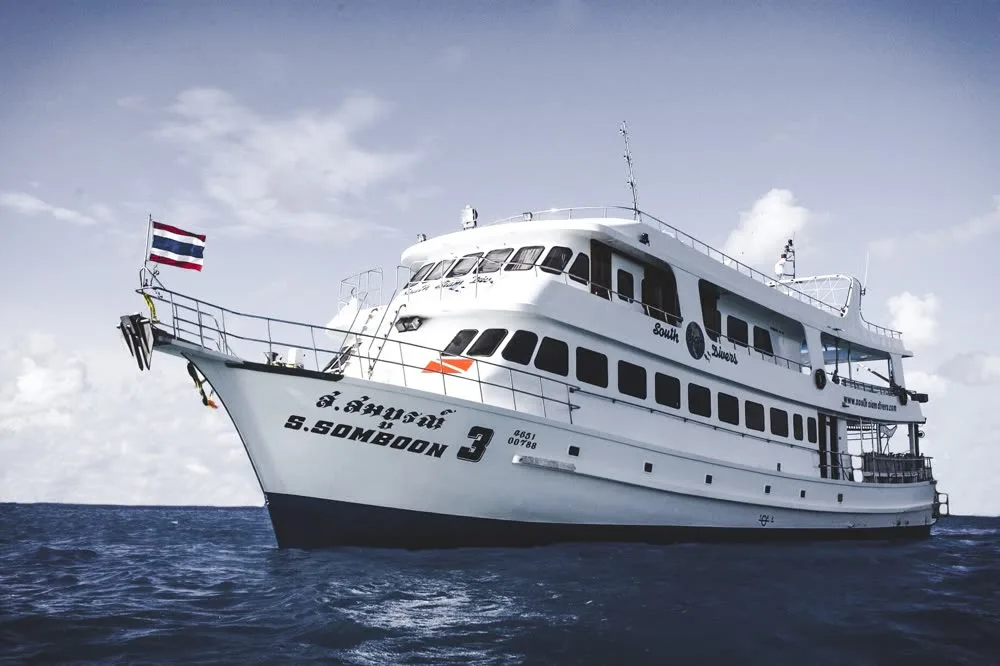
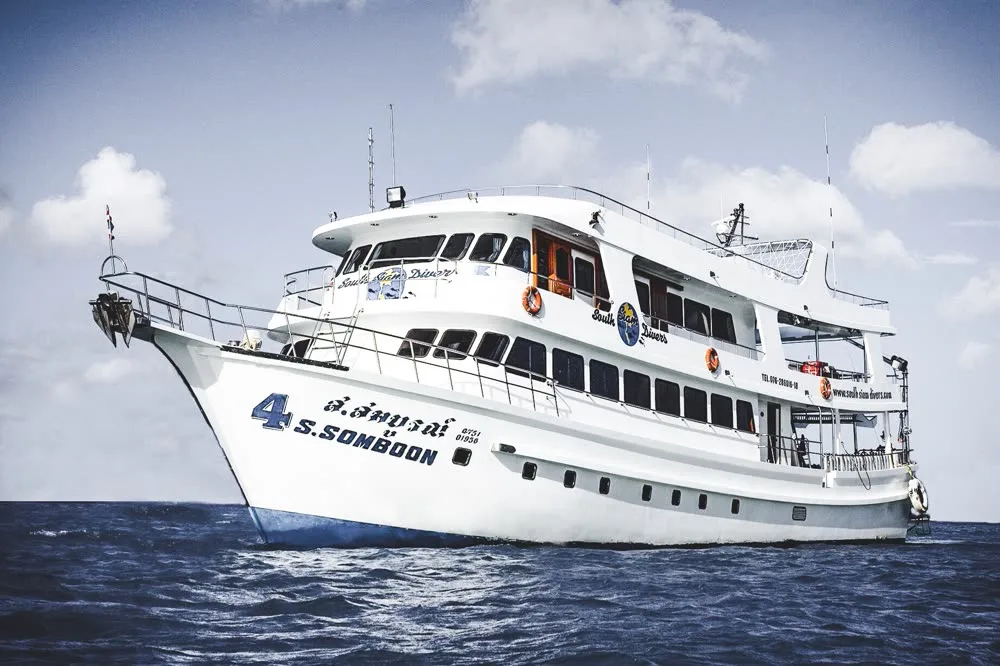
Because the Similans have no overnight accommodation on the islands, a liveaboard is the natural way to dive them properly — you sleep at the dive sites and hit the best pinnacles at dawn before the day boats arrive. Trips typically run three to six days, and longer itineraries are what reach Richelieu Rock, Koh Bon, Koh Tachai and the Surin or Mergui sites in a single voyage.
Similan liveaboards offer different cabin layouts, group sizes and schedules. Compare the actual departure and cabin rather than an old starting price for a boat. Current prices and availability are confirmed for your dates, together with the trip duration, park fees, transfers, equipment and diving inclusions.
When you compare boats, match the itinerary to your certification and goals: an advanced diver hunting mantas in March wants a route built around the northern pinnacles, while a newer diver is better served by a Similan-focused trip with gentler sites. Tell us your dates and level and we will line up the right boats for the conditions you will actually meet.
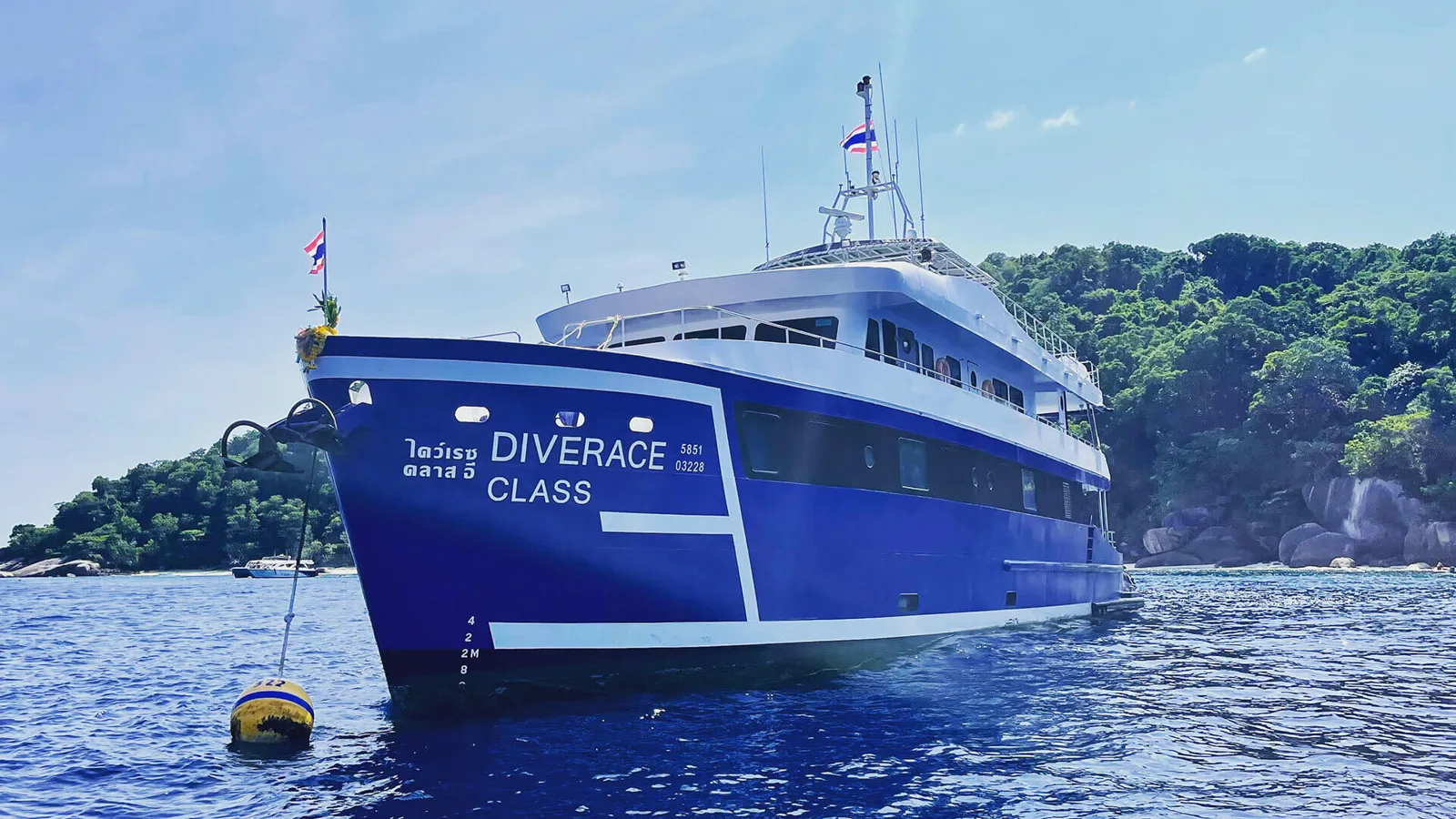
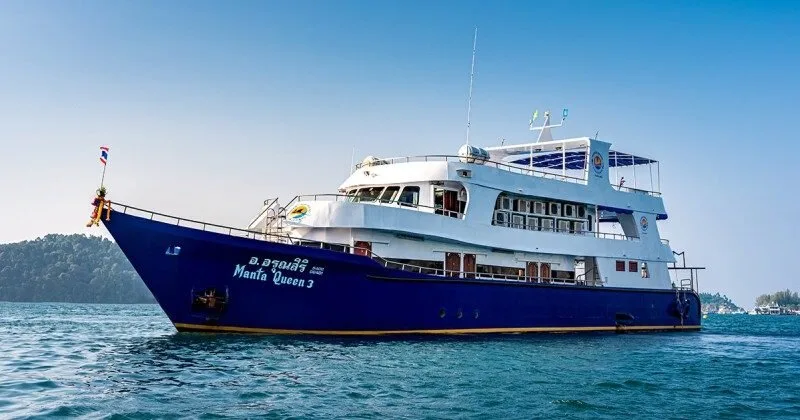
Featured vessels for this trip
Frequently asked questions
When is the Similan dive season?
The Similan marine national park is open roughly from 15 October to 15 May. The calmest, clearest conditions come December to April, while the park closes entirely mid-May to mid-October during the southwest monsoon.
When can I see whale sharks and manta rays?
February to April is the peak window. Mantas gather at the northern sites like Koh Bon and Koh Tachai, and whale-shark sightings at Richelieu Rock are most reliable late in the season. Encounters are never guaranteed, but the odds are best then.
What level do I need for Richelieu Rock?
Richelieu Rock is rated intermediate to advanced. It sits in 5–35 m of water and can have current, so an Advanced Open Water certification (or equivalent) plus some logged dives is recommended.
Do I need to be a certified diver?
For a diving liveaboard you should hold at least an Open Water certification. Some boats can arrange try-dives or courses on board, and snorkellers can join many trips — ask us and we will match you to a suitable vessel.
Is Nitrox included?
Most liveaboards offer Nitrox, but it is usually an optional add-on rather than included for free, and you need a Nitrox certification to use it. Confirm pricing and availability on your chosen boat before you book.
What about the Similan national park fees?
Entry to the marine national park carries a per-person fee that is normally paid on top of the trip price. It is collected for the days you spend inside park waters; we will tell you the current amount when you book.
Do I need extra fees for the Mergui Archipelago in Burma?
Yes. Trips into the Mergui Archipelago cross into Burmese (Myanmar) waters, which require a separate per-person government permit and fee handled through the operator, plus your passport details in advance.
How long are Similan liveaboard trips?
Most run three to six days. Shorter trips focus on the Similan and Koh Bon area, while longer itineraries are what reach Richelieu Rock, Koh Tachai and the Surin or Mergui sites in one voyage.