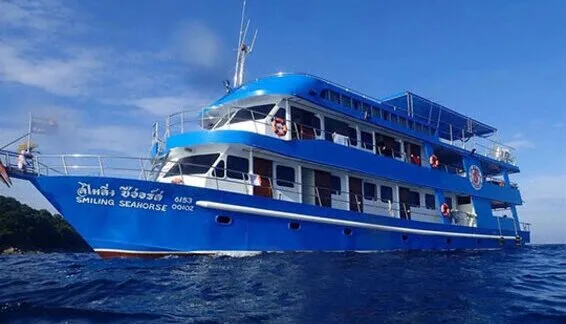
The Mergui Archipelago — some 800 islands scattered across Myanmar's slice of the Andaman Sea — is the wildest, least-dived corner of the region you can still reach by liveaboard from Phuket. Far fewer boats run here than to the Similans, the reefs see almost no day-trip traffic, and the headline sites like Black Rock and Western Rocky deliver big-animal encounters in genuine wilderness. This guide covers when to go, what you'll dive, the level you need, the Myanmar government fee that catches first-timers out, and realistic prices.
Where Mergui is and why it's special
The Mergui (or Myeik) Archipelago lies north of Thailand's Similan and Surin islands, in Myanmar waters. Boats clear out of Thailand near Ranong, cross into Burma, and spend several days diving sites that most divers never reach. Because the area only reopened to foreign liveaboards in recent decades and access is tightly controlled, the reefs are remarkably intact and the topside scenery — uninhabited jungle islands, empty white beaches, the occasional Moken sea-gypsy village — is unlike anywhere else in the Andaman.
This is expedition diving rather than a relaxed reef holiday. Sites are spread out, currents can be strong, and visibility is variable — you trade the polish of a Similan trip for solitude, sharks, and the feeling of dropping onto reefs that simply aren't crowded. For experienced divers, that's exactly the appeal.
Best season for a Mergui liveaboard
The wider Andaman liveaboard season runs roughly from 15 October to 15 May, when the northeast monsoon brings calm seas. Mergui trips sit at the heart of that window: most operators run Burma itineraries from November through May, and the prime months are February to May.
That late-season sweet spot is no accident. Black Rock and Western Rocky — the two signature Mergui sites — fish best from February to May, and the plankton blooms that bring whale sharks and manta rays peak roughly February to April. If sightings of the big pelagics are your goal, aim for that core period. Outside the season, from mid-May into October, the southwest monsoon makes the crossing rough and most boats stand down.
Signature dive sites
Black Rock is the crown jewel: a lone pinnacle rising from deep water, with a wall dropping well past 100 m and dive profiles typically in the 5–40 m range. It's an advanced site known for manta rays, occasional whale sharks, grey reef sharks and schooling fish — best dived from February to May.
Western Rocky is a cluster of rocks famous for a swim-through cave that often shelters nurse sharks, plus macro life on the surrounding reef. Depths run from about 5 to 30 m and it suits intermediate-to-advanced divers; best months are February to May.
Many Burma itineraries also include or combine Richelieu Rock, the legendary horseshoe-shaped pinnacle on the Thai side near the Surin Islands. With depths from 5 to 35 m and a recommended level of intermediate to advanced, it's one of the Andaman's richest sites and fishes best from February to April — a natural bookend to a Mergui crossing.
What level and certification you need
Mergui is not a place to log your first open-water dives. The flagship sites are graded intermediate-to-advanced or advanced, currents can run hard, and many of the best moments happen below 18 m. As a practical minimum, plan on an Advanced Open Water certification (or equivalent) and a solid number of logged dives before you commit to a Burma expedition.
Nitrox is strongly recommended for the deeper, repetitive diving — it extends your no-decompression limits and adds a margin of safety across a packed daily schedule. If you're newer, build experience on a Similan or Surin trip first, then step up to Mergui. Non-divers and snorkellers can sometimes join depending on the boat, but the itinerary is built around serious diving.
The Myanmar permit and government fee
This is the part first-timers miss. Diving in Myanmar waters requires official permits, and Myanmar levies a mandatory per-person government and permit fee on top of the trip price. It is not optional and not something an operator can waive — it's the price of access to a tightly regulated marine area.
For a cross-border itinerary, request a current written breakdown of permits, government or port charges, payment currency and processing time. Confirm the entry conditions for your passport and return to Thailand before making a booking; fees and requirements must be checked for the specific departure.
How much a Mergui trip costs
Mergui itineraries can differ substantially in duration, route and onboard arrangements. Availability and prices are quoted on request for the vessel, cabin and departure. Compare the trip price with permits, port or park charges, equipment and any other separately payable items to understand the complete cost.
Smaller, more luxurious boats sit at the top of that range, while well-run mid-range vessels offer the same access for less. On top of the fare you'll add the Myanmar permit fee, marine-park and port charges, equipment rental if needed, Nitrox where it isn't included, and crew tips. We'll quote you a clear all-in retail figure for the specific dates and boat you're considering.
Choosing the right boat
Not every liveaboard runs Burma — the crossing and permits mean it's a specialist itinerary. Look for boats with a proven Mergui track record, comfortable cabins for the longer trip, and a dive deck set up for deeper, current-prone diving with Nitrox available.
Tell us your certification level, how many dives you've logged, your dates and your budget, and we'll match you to a vessel that actually runs the Mergui route in your window — then handle the permits, transfers from Phuket or Ranong, and the full quote.
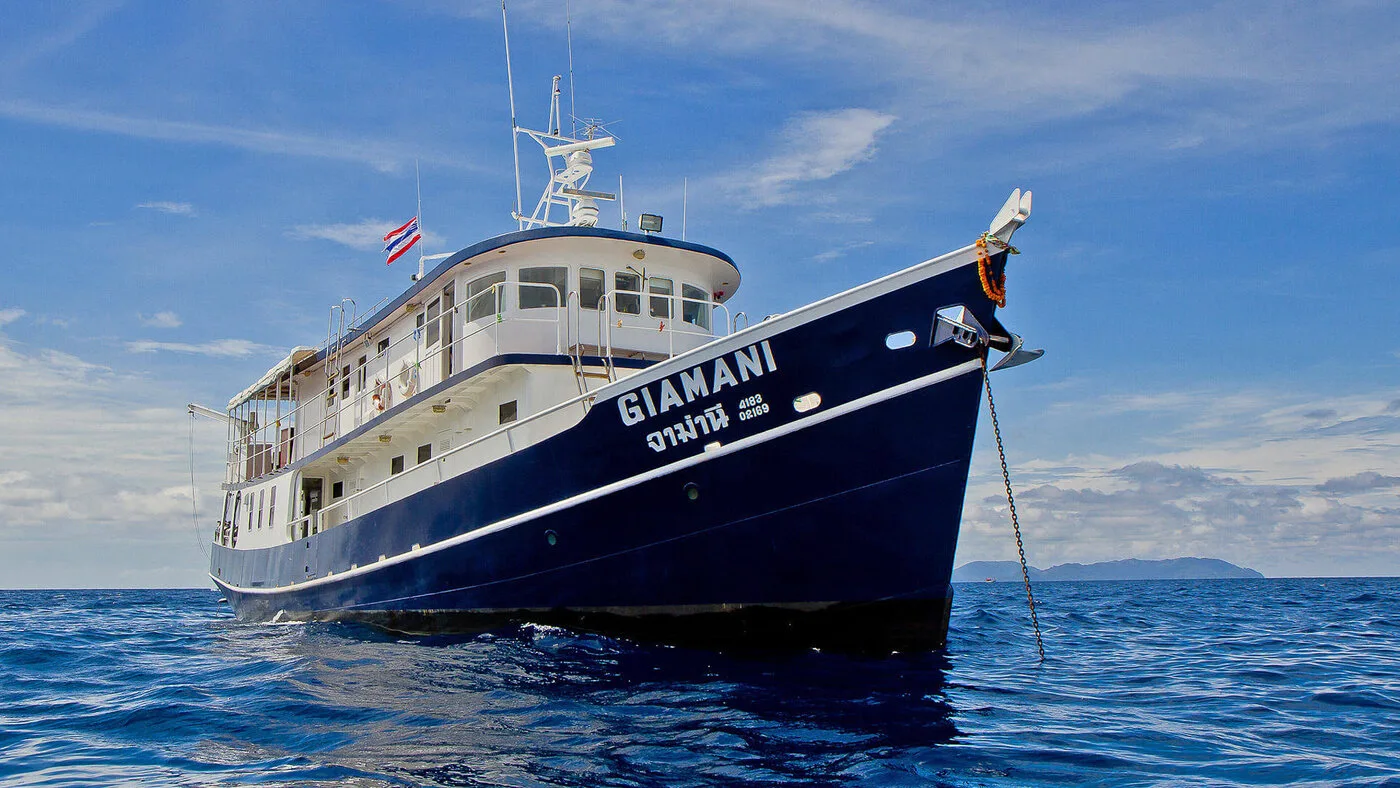
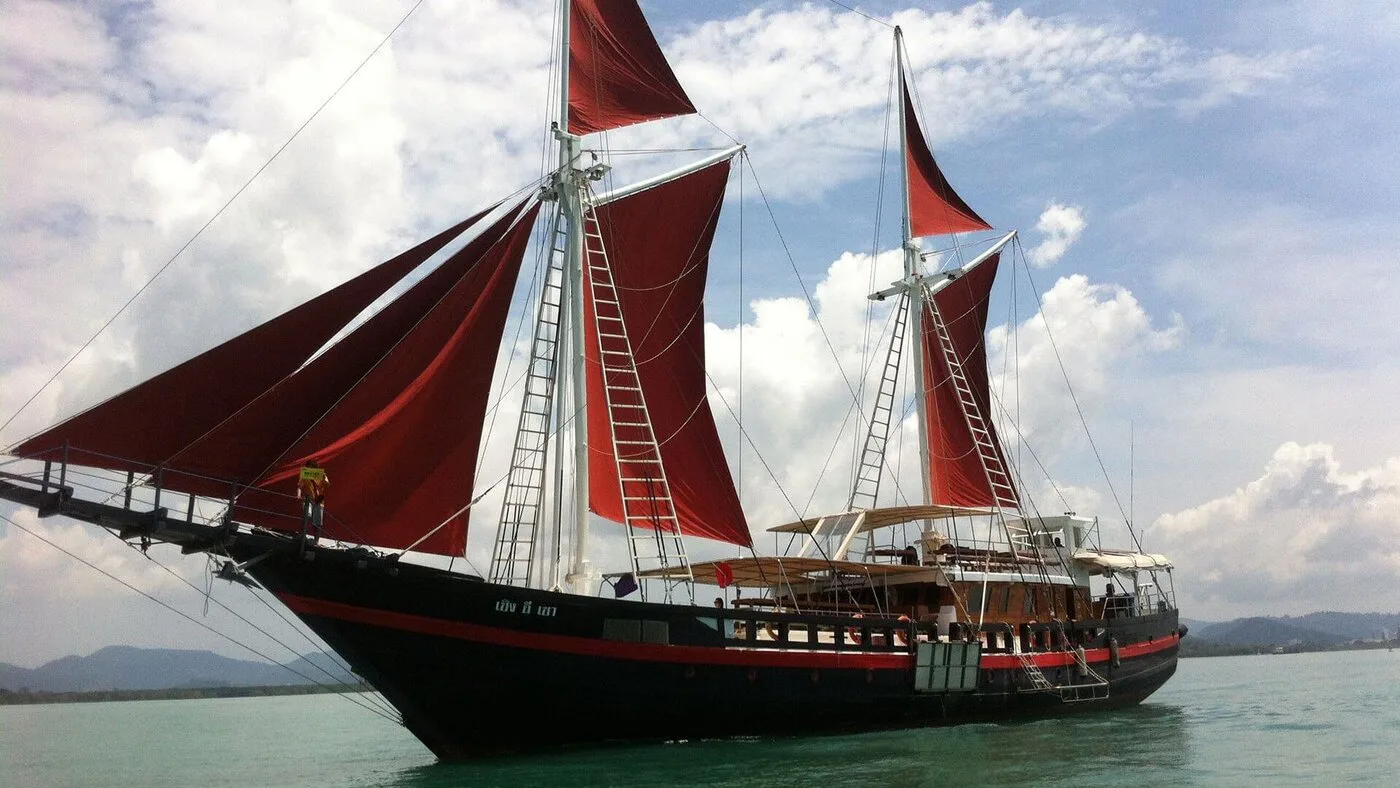
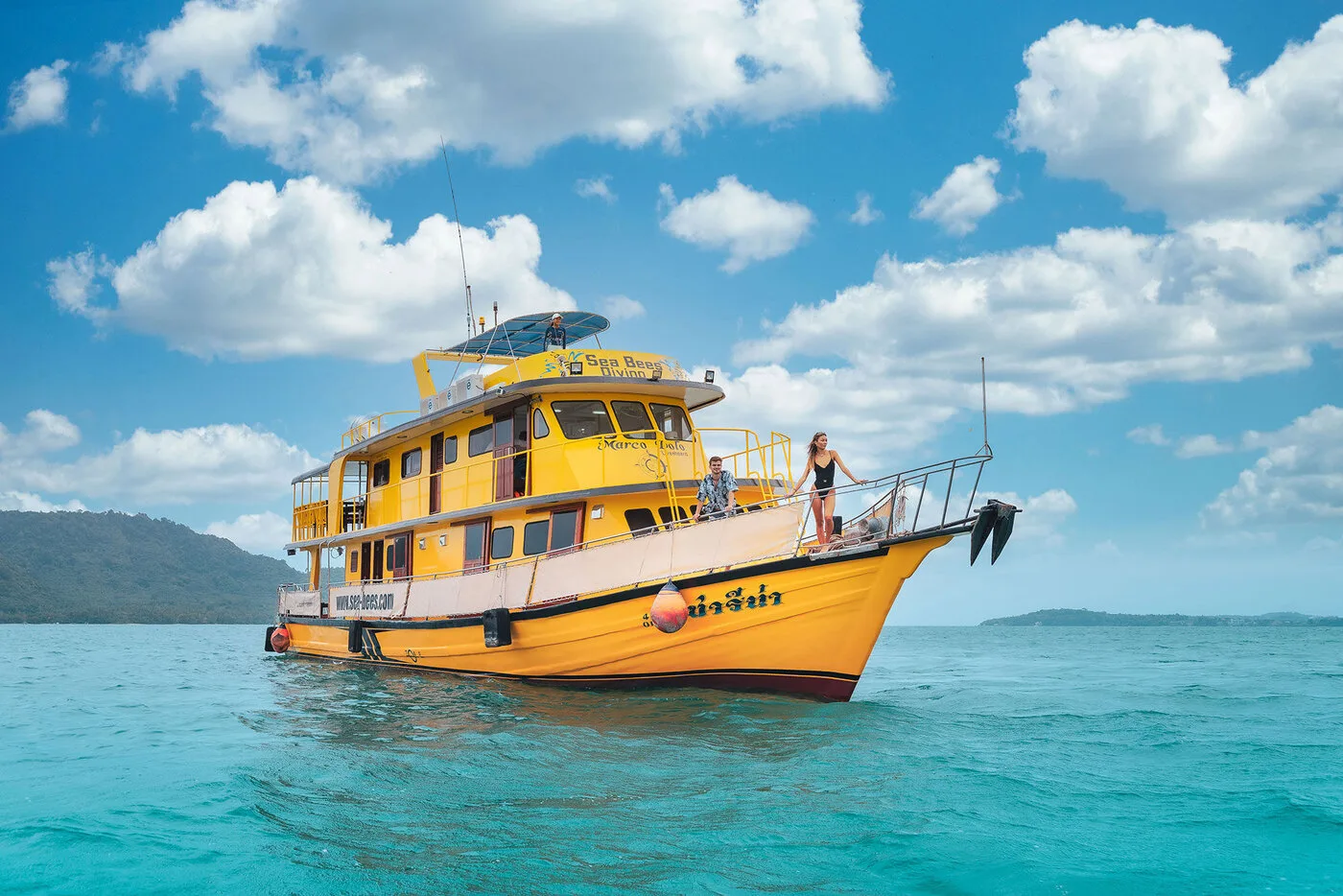
Featured vessels for this trip
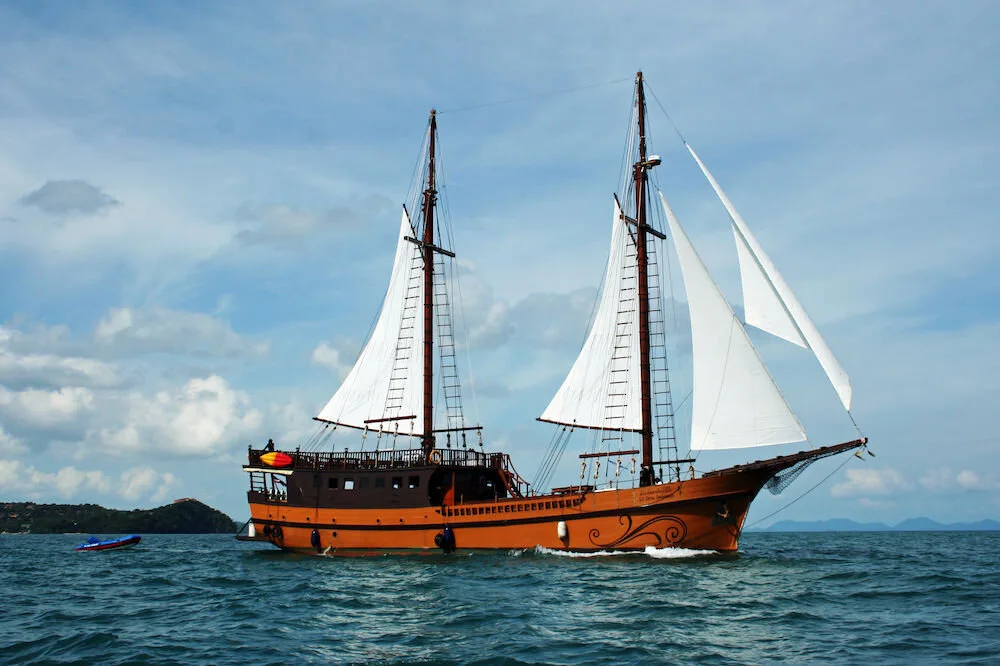
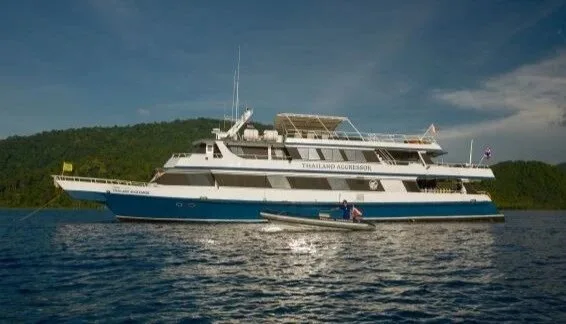
Frequently asked questions
When is the best time for a Mergui liveaboard?
The Andaman season runs roughly 15 October to 15 May, and most Burma trips operate November through May. The prime window is February to May, with whale sharks and manta rays most likely from February to April.
Do I need a special permit or fee for Burma / Mergui?
Confirm all current cross-border permits, entry conditions, associated charges and lead times for the selected departure before booking. We request a written breakdown; a general fee estimate does not establish the requirements for your passport or itinerary.
What certification level do I need for Mergui?
It's an intermediate-to-advanced destination. Plan on an Advanced Open Water certification (or equivalent) and a good number of logged dives. Strong currents and depths beyond 18 m are common, and Nitrox is strongly recommended.
What are the must-dive sites?
Black Rock (an advanced pinnacle with a 100 m+ wall and mantas, best Feb–May) and Western Rocky (a famous cave swim-through with nurse sharks, 5–30 m, best Feb–May). Many trips also combine Richelieu Rock on the Thai side, best Feb–April.
How much does a Mergui liveaboard cost?
The price is quoted on request for the selected vessel, cabin, dates and itinerary. Ask for the trip price and a separate list of permits, park or port charges, equipment, Nitrox and any other extras, with the total and payment currency confirmed before payment.
Can non-divers or snorkellers join a Mergui trip?
Sometimes, depending on the boat, but Mergui itineraries are built around serious diving and long crossings. If you have non-diving guests, tell us up front so we can recommend a vessel that suits the whole group.