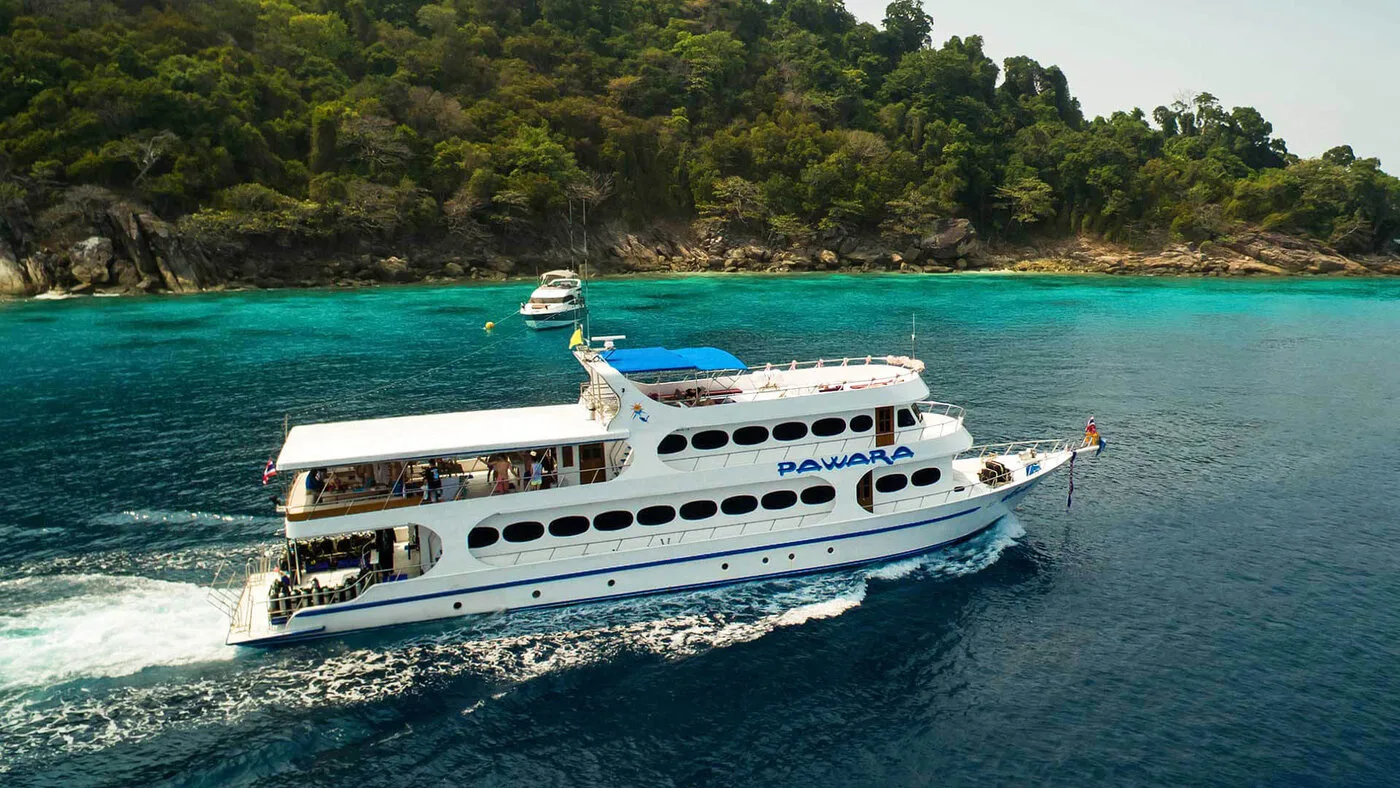
You don't need fifty logged dives and an Advanced card to enjoy the Andaman Sea. While the headline sites — Richelieu Rock, Koh Bon, Koh Tachai — are built for experienced divers, the same waters off Phuket, Khao Lak and the Similan Islands hide a string of gentle, shallow, current-light dives that are perfect for newly certified Open Water divers and anyone shaking off the rust. This guide picks the friendliest beginner sites in the region, explains what makes a dive 'easy', tells you when to go, and shows how to step up from a half-day trip to your first liveaboard without getting in over your head.
What makes a dive site 'beginner-friendly'?
A good beginner dive isn't about the marine life so much as the conditions. Three things matter most: depth, current and visibility. The ideal first sites sit comfortably inside recreational limits — most of the dive between about 5 and 18 metres — so you're never near your no-decompression ceiling and you have plenty of bottom time to relax and watch the reef. Gentle, predictable currents let you swim where you like rather than fighting the water, and easy navigation means you stay oriented and low-stress.
With an Open Water certification you're qualified to dive to 18 metres; Advanced Open Water extends that to 30. The beginner sites below are chosen because they can all be enjoyed within Open Water limits, on calm to mild current, with a guide. They are also forgiving for buoyancy practice — sandy patches and shallow coral bommies where a wobbly fin won't damage delicate reef. If you're freshly certified or haven't dived in a year or two, these are exactly where you want to start before working towards the deeper, current-swept pinnacles.
Day-trip diving near Phuket: where most beginners start
Before committing to a multi-day liveaboard, most new divers cut their teeth on day trips from Phuket. The inshore reefs around the Racha (Raya) Islands and the Phi Phi group offer sheltered bays, white-sand bottoms and shallow coral gardens that are ideal for a first ocean dive or a 'try-dive' Discover Scuba experience. Depths are gentle, the boats are back at the pier by late afternoon, and you can dive on consecutive days while staying in a hotel ashore.
These trips are also where most resort courses happen. If you're not certified yet, an Open Water course typically runs over three to four days and finishes with check-out dives on exactly these calm sites. Once you have the card and a handful of dives logged, you're ready to think about the Similans — and that's where the standout beginner reefs of the Andaman really begin.
Anita's Reef — the perfect Similan check-out dive
If one site sums up easy Similan diving, it's Anita's Reef. Lying between Islands 5 and 6, it's a gently sloping sand-and-coral plain rising to a coral bommie at around 12 metres, with the rest of the site spread between roughly 10 and 35 metres — but you can spend the whole dive shallow and never miss a thing. Currents are usually gentle and navigation is straightforward, which is why guides use it as the classic first dive of a liveaboard, or the warm-up after a long surface interval.
Don't mistake 'easy' for 'boring'. A resident field of garden eels swaying in the sand, anemonefish guarding their hosts, hunting blue-spotted stingrays and cruising sweetlips make this a photographer's favourite. It's the ideal place to dial in your buoyancy while still seeing classic reef life. Best diving runs December to April.
West of Eden — coral bommie, easy boulders
On the western side of the Similans, West of Eden packs a lot of reef into beginner-friendly depths. Giant granite boulders form small canyons, overhangs and crevices between about 5 and 30 metres, but the heart of the dive is a coral-covered bommie surrounded by clouds of reef fish that sits well within Open Water range. Currents are typically gentle to moderate, so it suits a wide range of divers rather than just confident ones.
Look for healthy sea fans, lionfish tucked under ledges, anemonefish and the occasional reef shark patrolling the sand. Because the interesting structure is shallow, you get long, relaxed dives here without ever pushing depth — exactly what a newer diver wants. Like most Similan sites, it's at its best from December to April.
Boonsung Wreck — your first wreck, made easy
Wrecks sound advanced, but the Boonsung Wreck off Khao Lak is one of the most beginner-accessible wreck dives in Thailand. A former tin-mining dredger, it sank in 1984 and was broken into separate sections by the 2004 tsunami, leaving low, open structure resting on sand at around 13 to 20 metres. There's no overhead penetration involved — you simply drift over and around the pieces — so it's well within Open Water territory and an easy introduction to artificial reefs.
What it lacks in dramatic profile it makes up for in fish. The broken hull acts as a magnet, gathering swirling schools of trevally and snapper, batfish, lionfish, moray eels and superb macro life, which also makes it a favourite for relaxed night dives. Because it sits close to the Khao Lak coast, Boonsung is reachable on a day trip as well as on liveaboard itineraries, with good diving from November to April.
When to go, and what to expect on a beginner trip
The Andaman dive season runs roughly from November to April, when the Similan and Surin marine parks are open and the sea is calm. Outside that window — during the southwest monsoon from around mid-May to mid-October — the parks close, conditions get rough, and the offshore sites simply aren't dived. For beginners, the heart of the season from December to April is ideal: flat seas, warm water around 28–29°C, and visibility that often runs 15–25 metres on the inshore and Similan reefs.
A beginner-friendly liveaboard should match the diving programme to your certification and experience, with a guide and time to rest between dives. Before booking, check whether tanks, weights, a dive computer and personal equipment are included or rented separately, and reserve the correct sizes.
Choosing your first liveaboard
For a first liveaboard, focus on the itinerary, patient guides, cabin arrangements and the number of divers per guide. We quote the available boat and cabin for your dates and confirm the trip duration, transfers and included services rather than using a fleet-wide starting price.
Check national-park fees, rental equipment and Nitrox separately in the quotation. Their availability and cost vary by vessel and itinerary; Nitrox use also requires the appropriate certification. Share your experience, dates and equipment needs so we can confirm a suitable trip and its total cost.
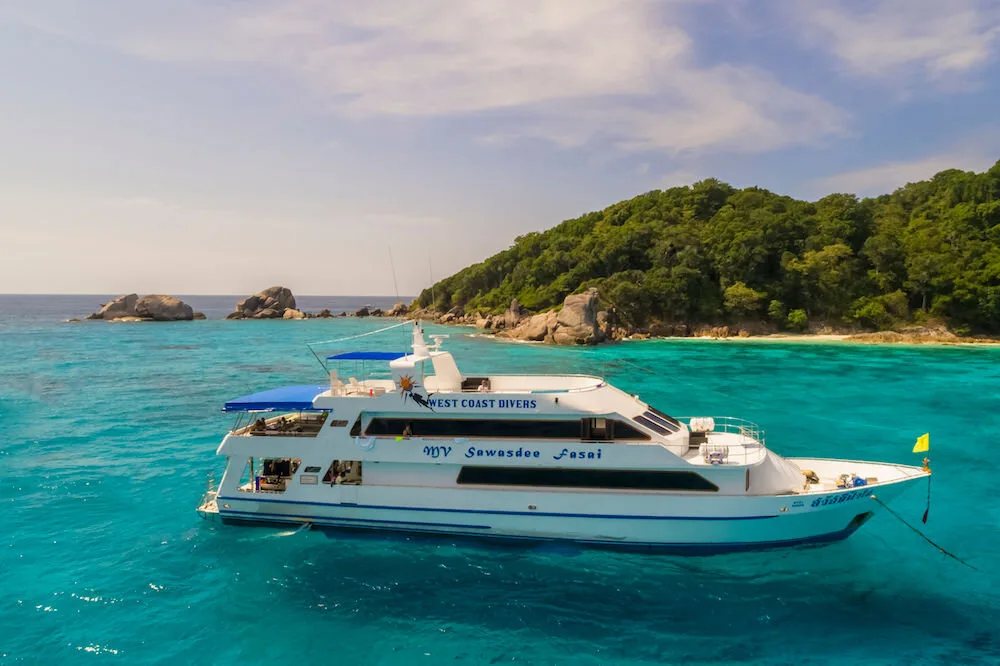
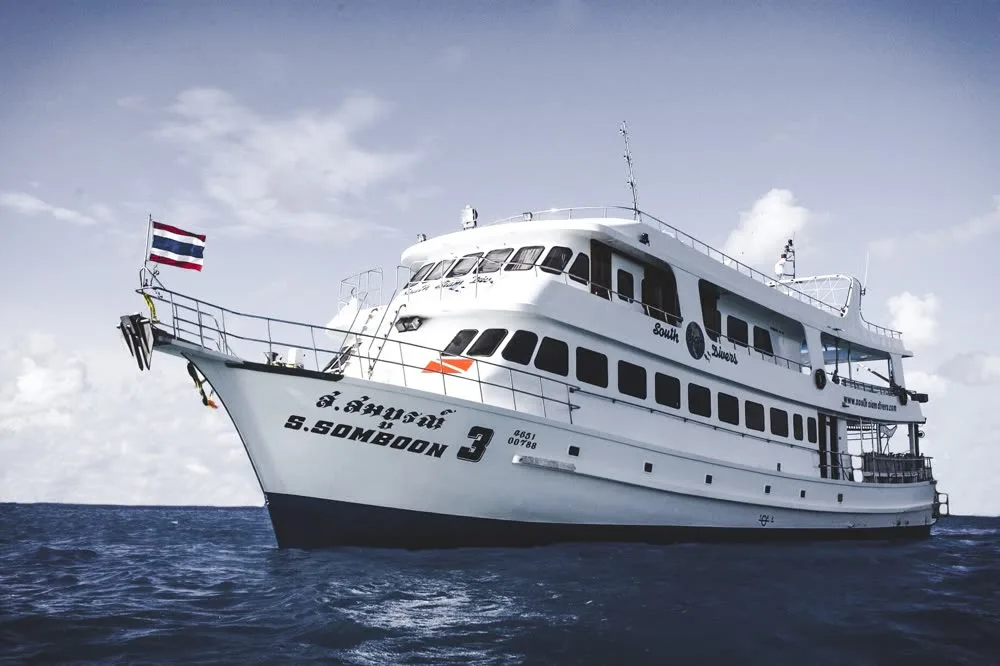
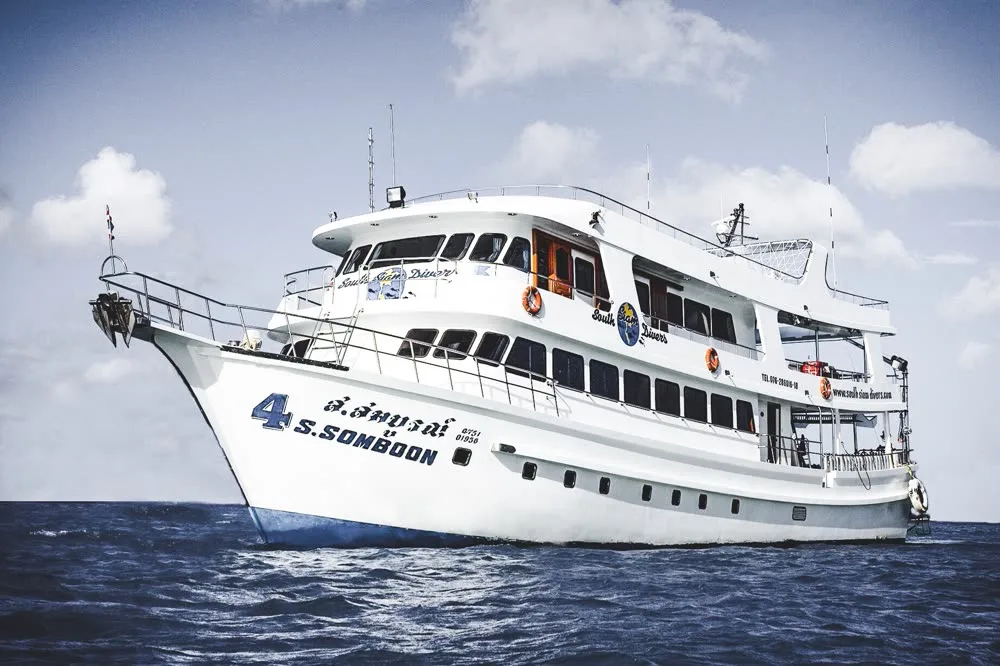
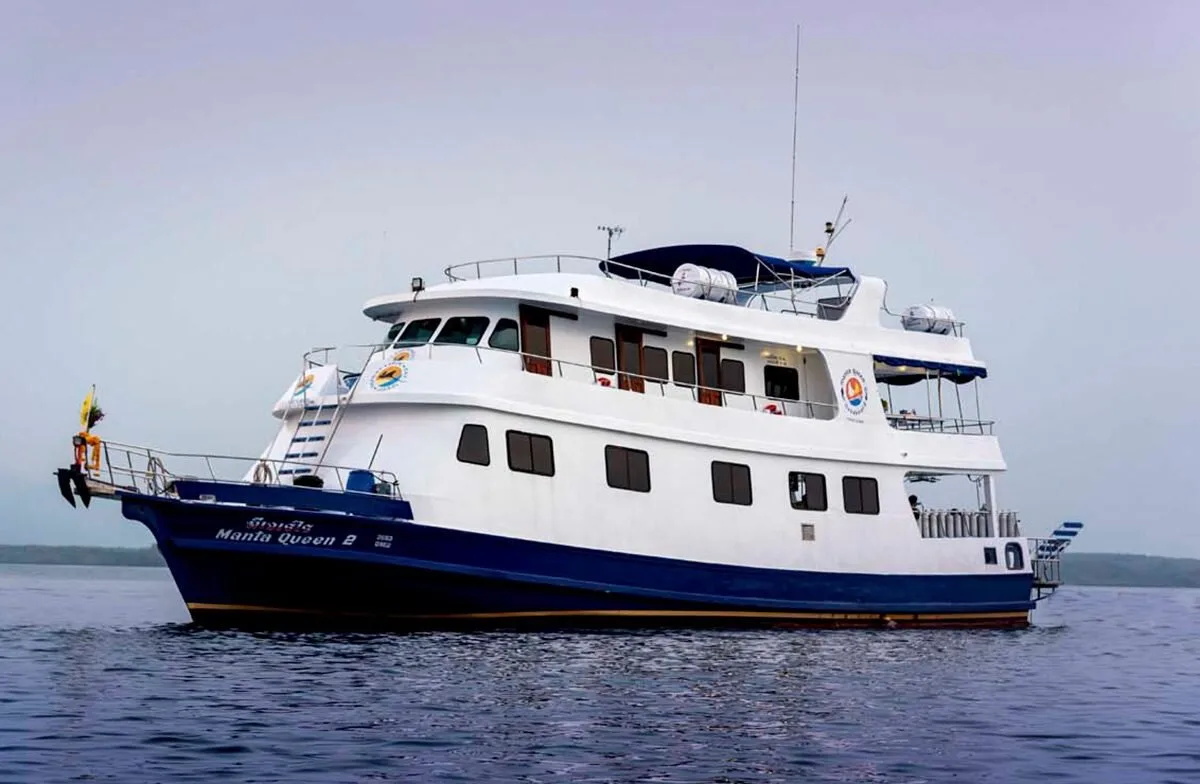
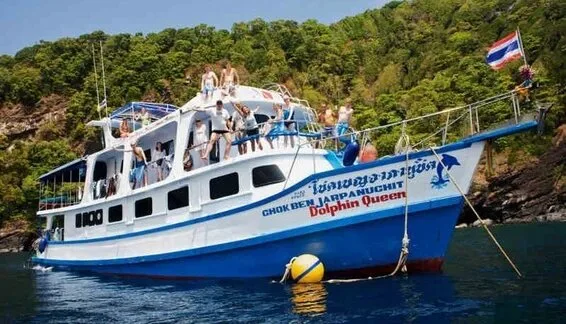
Featured vessels for this trip
Frequently asked questions
Can I dive these sites with just an Open Water certification?
Yes. Anita's Reef, West of Eden and the Boonsung Wreck can all be enjoyed within the 18-metre Open Water limit on calm to mild current, with a guide. They're chosen precisely because they're gentle and forgiving. The deeper, current-swept sites like Richelieu Rock, Koh Bon and Koh Tachai are best saved for Advanced Open Water and more logged dives.
How many dives should I have before a liveaboard?
There's no hard rule for the easy Similan sites, but for the core itineraries operators like to see at least an Open Water card and around ten logged dives so you're comfortable in open water. If you're freshly certified or haven't dived in a year or more, a refresher before departure makes a big difference. We can point you to boats that welcome newer divers.
What if I'm not certified yet?
No problem. You can take an Open Water course — usually three to four days — on a Phuket day-trip basis with check-out dives on calm inshore reefs, or take a course on board many liveaboards. Non-divers and snorkellers are also welcome on most boats, so you can travel with a certified partner and still enjoy the trip.
When is the best time for beginner diving in the Andaman?
The season runs roughly November to April, when the marine parks are open and the sea is calm. For beginners the December-to-April window is ideal: flat conditions, warm water around 28–29°C, and good visibility. The parks close for the southwest monsoon from about mid-May to mid-October.
Are the currents really manageable for new divers?
On the sites in this guide, yes — they're typically gentle to moderate, and guides plan dives around the tide. Your first dive of a trip is usually an easy check dive so the crew can confirm your buoyancy. The strong, swirling currents the Andaman is known for are on the advanced pinnacles, which beginners simply don't dive until they're ready.
Do I need my own equipment?
You can bring your own equipment or request rental gear. Confirm whether tanks, weights, a BCD, regulator, mask, fins, wetsuit and dive computer are included or charged separately for your boat. Tell us your sizes and certification level before booking.
How much does a beginner liveaboard cost?
The price is quoted for the selected boat, cabin, departure and itinerary. We confirm park fees, equipment, Nitrox, transfers and other extras in writing, so you can compare the total cost before paying.
Should I do day trips or go straight to a liveaboard?
If you're brand new or want to build confidence, a few day trips from Phuket on calm inshore reefs are the natural first step, and they're where most courses finish. Once you have a handful of dives logged and feel relaxed underwater, a liveaboard opens up the beautiful Similan beginner reefs that day boats can't easily reach. We can plan either path.
Do I need dive insurance?
We strongly recommend it. Diving insurance covering recompression treatment and evacuation (such as DAN) is inexpensive and sensible even for shallow dives, and some boats ask for proof of cover before you dive. We'll let you know if your chosen vessel requires it.