Phuket sits on the Andaman Sea, where two monsoons split the year into a calm, dry high season and a wetter green season. Getting the timing right is the single biggest factor in how a charter feels: it shapes the sea state, the visibility underwater, which islands you can reach and how much you pay. The good news is that there is no truly bad time to be on the water here — only different trade-offs. This guide breaks down the seasons month by month, explains how weather drives the dive calendar, and shows how a private charter lets you sail comfortably almost year-round by choosing the right boat and the right sheltered anchorage.
The two seasons that shape a Phuket charter
Phuket's year is governed by two monsoons. From roughly November to April the northeast monsoon brings the high season: light winds, calm seas, blue skies and the clearest water of the year. This is the classic postcard window and the busiest, most expensive time to charter.
From about May to October the southwest monsoon brings the green season. The wind swings round to the west, rain comes in warm tropical bursts rather than all-day drizzle, and the open sea on the exposed west side gets choppier. Prices ease, crowds thin and the islands turn lush and green.
The shoulder weeks on either side — late October and early November, and again in May — often deliver some of the best value, mixing largely settled weather with quieter anchorages and softer rates.
High season (November to April): calm seas and clear water
The high season is the most reliable window for everything. Seas are generally flat, crossings to outer islands are comfortable, and underwater visibility on the offshore sites is at its best, regularly running into the tens of metres.
December through February is the peak of the peak: cooler, dry and almost windless, which is why it books out earliest and commands the highest rates. March and April stay calm but warm up noticeably, and they are prime months for the headline marine encounters out at the offshore reefs.
If your priority is glassy water, long-range island hopping out to the Similans, or a special occasion where weather must not be a variable, this is the window to target — and to book well ahead.
Green season (May to October): value, lush islands and sheltered bays
The green season is widely misunderstood. Rain usually arrives as short, heavy showers between long sunny spells rather than as a washout, water temperatures stay warm, and the scenery is at its most vivid. Rates for yachts, catamarans and speedboats are typically at their lowest.
The key is geography. With the wind out of the southwest, the exposed western sites get rough, but the east-facing bays of Phuket, Phang Nga Bay, Phi Phi and the Racha Islands stay sheltered and very often calm. A good skipper simply works the lee side of the islands.
This makes the green season a genuinely sensible time for inshore cruising, sheltered-bay swimming and snorkeling, and relaxed day trips by speedboat or catamaran — at a fraction of high-season prices, and without the crowds.
How weather drives the dive calendar
Weather matters even more underwater than on deck, because it controls both visibility and access. The offshore national-park sites around the Similan Islands are only open for part of the year, roughly from 15 October to 15 May, so any Similan or liveaboard plan must sit inside that window.
The marquee encounters cluster in the calm months. Richelieu Rock (5–35 m, intermediate to advanced) is at its best from February to April, the prime window for seasonal whale shark and manta ray sightings, while deeper pinnacles like Koh Bon (18–40 m+, advanced) and Koh Tachai (12–45 m, advanced) peak from roughly January to April.
Not everything depends on the open-sea season, though. The Boonsung Wreck off Khao Lak (13–20 m, beginner to intermediate) and the Racha Islands' sheltered reefs are gentle, accessible options across a longer stretch of the year, which makes them useful when the outer sea is rougher.
Year-round cruising and what to expect by region
Inshore Phuket, Phang Nga Bay and Phi Phi can be cruised in almost any month because the limestone karsts and east-facing anchorages create natural shelter. A sunset cruise, a Phang Nga day trip or a Phi Phi run is realistic year-round, with the skipper choosing the calmest side for the day's wind.
The far offshore reefs are the exception. Black Rock and Western Rocky out in the Mergui region (best around February to May) and the Similan pinnacles demand settled, high-season conditions and are not sensible green-season targets.
On a private charter, the boat is matched to the conditions. A larger motor yacht or liveaboard rides open swell far better than a small speedboat, while in the green season a quick speedboat or stable catamaran working the sheltered bays is the comfortable, value choice.
Choosing dates: weather, crowds and price
Picture three priorities and pick the one that matters most. For guaranteed calm seas and the best diving, aim for December to April and book early. For the offshore Similan and Richelieu Rock experience specifically, target February to April inside the open-sea window.
For the best value and the quietest anchorages, look at the green season or the shoulder weeks in late October–November and in May, and plan around sheltered, east-facing destinations. You trade a little weather certainty for noticeably lower prices and far fewer boats.
Whichever dates you choose, a whole-boat private charter gives the most flexibility: the captain reads the forecast each morning and adjusts the route to the calmest water, so the day works in a wide range of conditions rather than being locked to a fixed group schedule.
Featured vessels for this trip
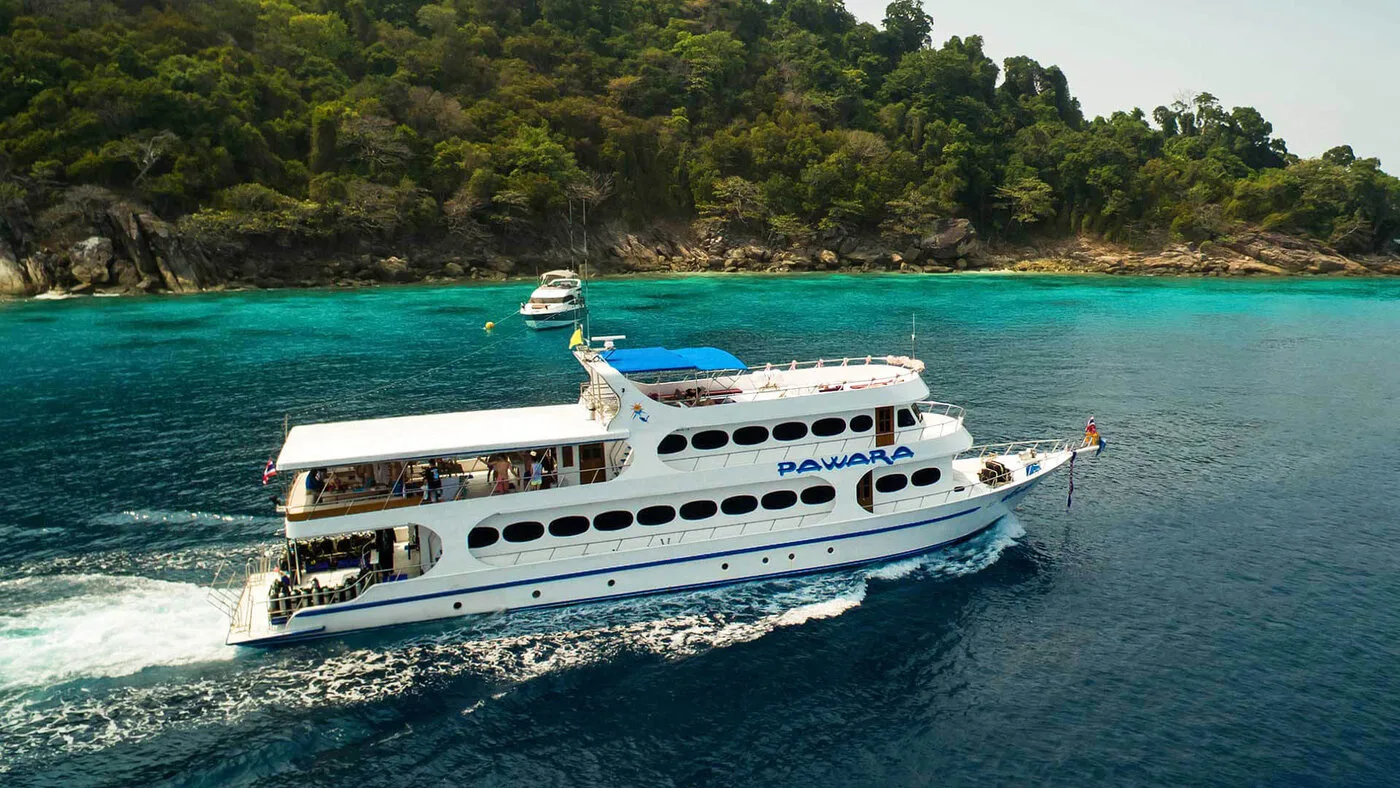 MV Pawara
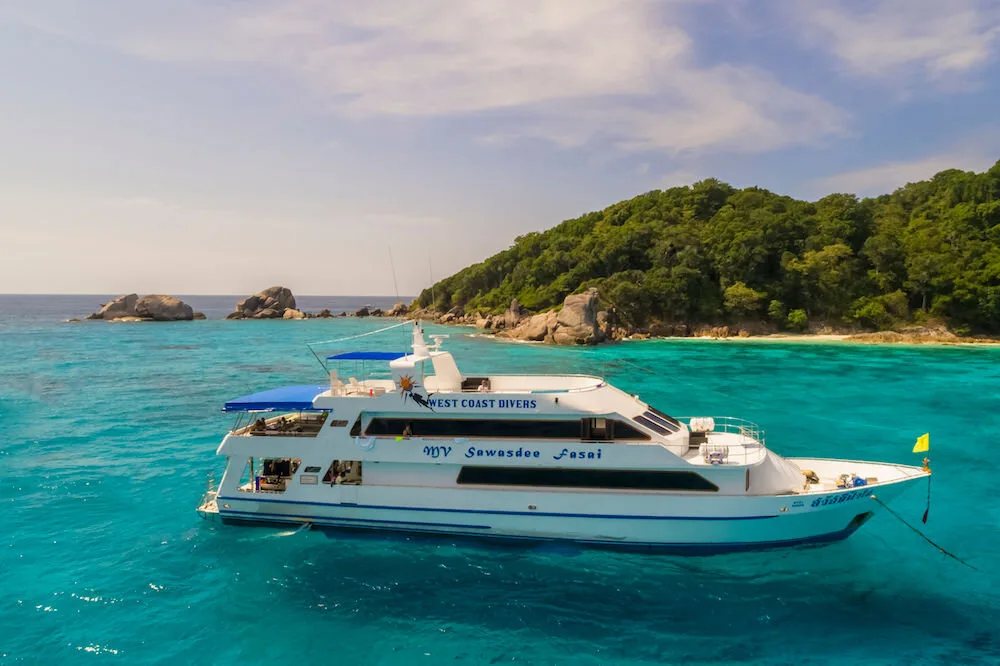 MV Sawasdee Fasai
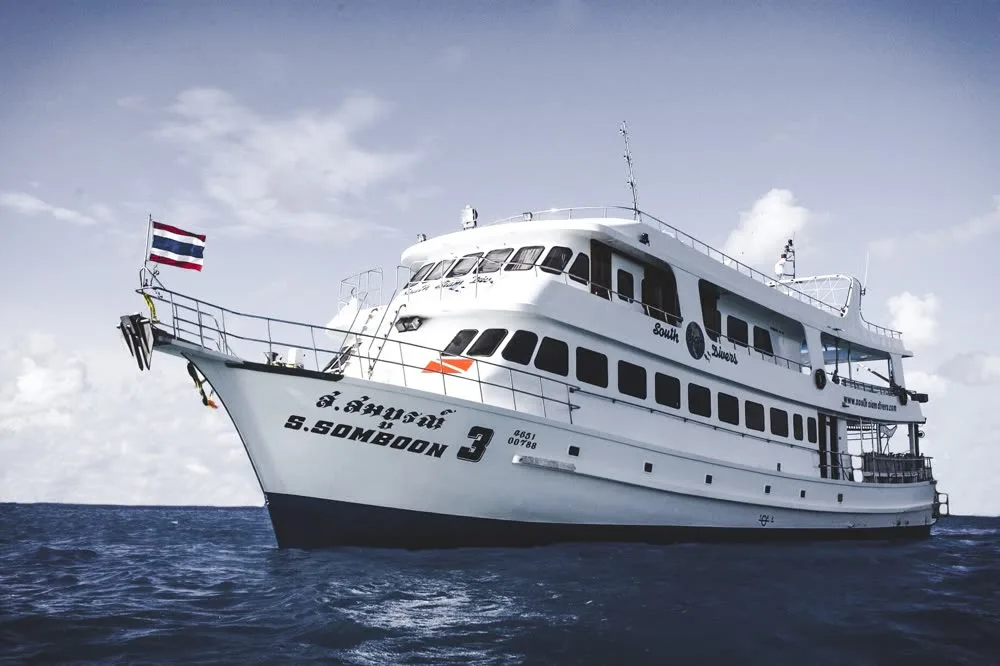 MV South Siam 3
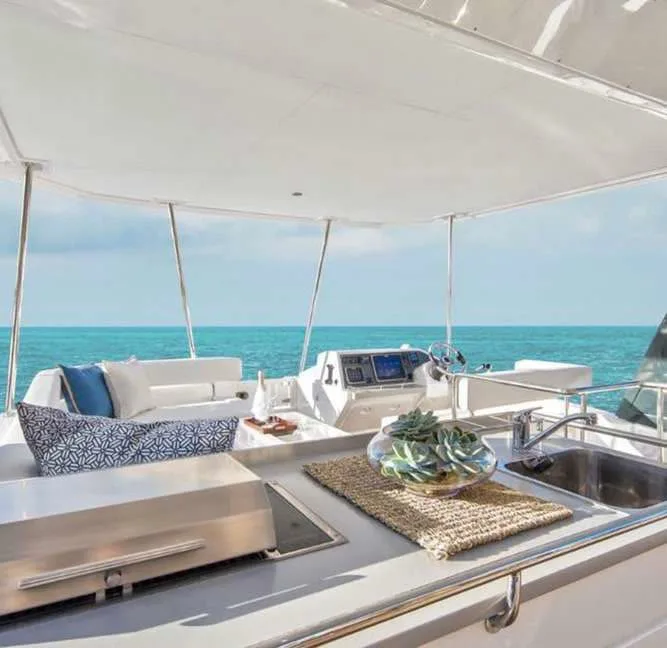 Estrella · Leopard 43
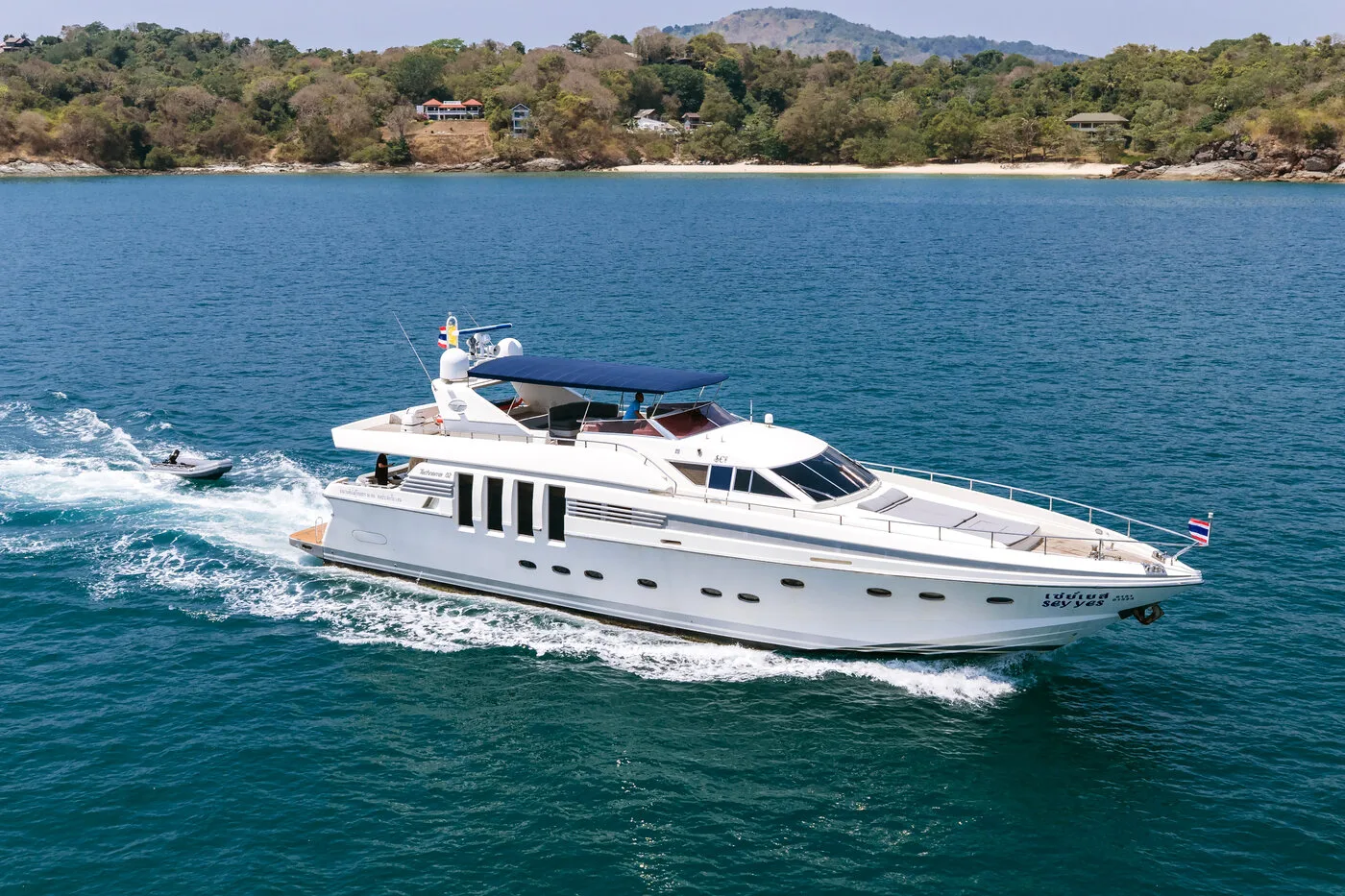 Say Yes · Rizzardi Technema 89
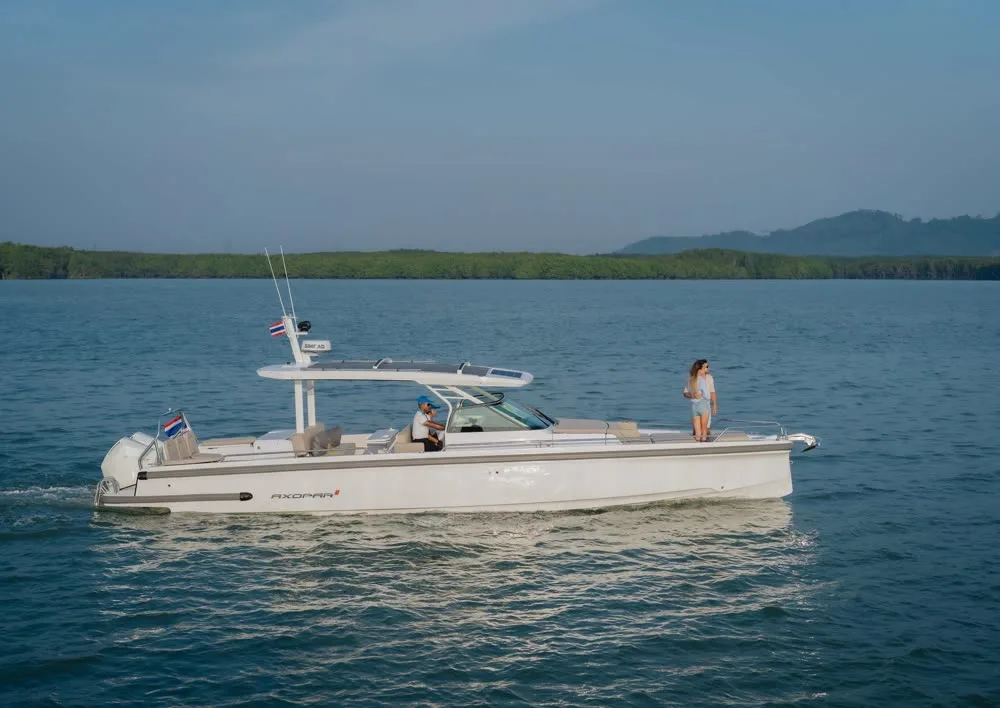 Axopar 37
Frequently asked questions
When is the best time of year for a Phuket yacht charter?
The high season from November to April offers the calmest seas, clearest water and most reliable weather, with December to February the peak. May to October is the green season — lower prices and lush scenery, with sheltered east-facing bays usually staying calm despite the southwest monsoon.
Can you charter a yacht in Phuket during the rainy season?
Yes. Green-season rain usually comes as short, heavy showers between sunny spells rather than all-day downpours. With the wind from the southwest, the east-facing bays of Phuket, Phang Nga, Phi Phi and the Racha Islands stay sheltered, so inshore cruising and day trips run comfortably at lower prices.
What months are best for diving the Similans and Richelieu Rock?
The offshore national-park season runs roughly from 15 October to 15 May. Richelieu Rock is at its best from February to April, the prime window for whale shark and manta ray sightings, while deeper pinnacles like Koh Bon and Koh Tachai peak from about January to April.
Is the sea rough in Phuket during the green season?
The exposed western and far offshore sites get choppy under the southwest monsoon, but the sheltered east-facing bays usually stay calm. A good skipper works the lee side of the islands, and a larger motor yacht or catamaran handles any swell more comfortably than a small speedboat.
Does a yacht charter cost less in the green season?
Generally yes. Rates for yachts, catamarans and speedboats are typically at their lowest from May to October, and the late-October to November and May shoulder weeks often give the best value, mixing largely settled weather with quieter anchorages and softer prices.
Which areas can be cruised year-round near Phuket?
Inshore Phuket, Phang Nga Bay, Phi Phi and the Racha Islands can be cruised in almost any month thanks to natural shelter from the limestone islands and east-facing anchorages. The far offshore reefs, like the Similans and Mergui's Black Rock, need settled high-season conditions.